Synopsis
Log Horizon: Beyond the Game Over Screen – A Deep Dive into the Ultimate Strategic Isekai Adventure
Imagine a world where your favorite online game isn’t just pixels on a screen, but a vibrant, living reality. A place where every quest, every monster, every friend you’ve ever made suddenly becomes undeniably tangible. For millions of players of the beloved fantasy MMORPG Elder Tales, this fantastical dream became their astonishing new reality. But this isn’t just another tale of being trapped in a game; Log Horizon invites you into a world of unparalleled strategic depth, societal reconstruction, and the remarkable power of human ingenuity. If you’re searching for an anime that transcends typical Isekai tropes, offering a cerebral feast alongside thrilling adventure, then prepare to be utterly captivated.
The year was 20XX, and the release of Elder Tales’ twelfth expansion pack, “Novasphere Pioneers,” was supposed to be a momentous occasion. Instead, it triggered an event known simply as “The Apocalypse.” In a blink of an eye, players from every corner of the globe found themselves literally pulled into the game’s virtual universe. Their avatars, once digital representations, now housed their very souls, transforming their lives from mundane reality into a high-stakes fantasy existence. This wasn’t a glitch; it was a permanent, bewildering shift.
The initial shock and confusion were profound. Thirty thousand players alone found themselves stranded in the bustling city of Akihabara, once a familiar hub, now a bewildering new home. The rules they knew, the shortcuts they exploited, the comfort of a simple “log out” button – all vanished. Death was no longer a temporary setback, but a terrifying reality with unknown consequences. This immediate, jarring shift sets the stage for Log Horizon’s distinct narrative, moving beyond mere survival to explore the far more complex challenges of building a new society.
The World Has Changed: Elder Tales, Now Real
One of the most immediate and impactful revelations for these newly incarnated Adventurers was the transformation of the Non-Player Characters (NPCs). No longer static quest givers or generic shopkeepers, the “People of the Land,” as they came to be known, were sentient beings with their own cultures, histories, and even emotions. This fundamental shift meant that the casual disregard players once held for NPCs was impossible; they were now interacting with a living, breathing population, adding layers of ethical and diplomatic complexity to every decision. Furthermore, game mechanics themselves were subtly altered, skills felt different, magic was more visceral, and the very act of eating and sleeping became a necessity, not just a game function.
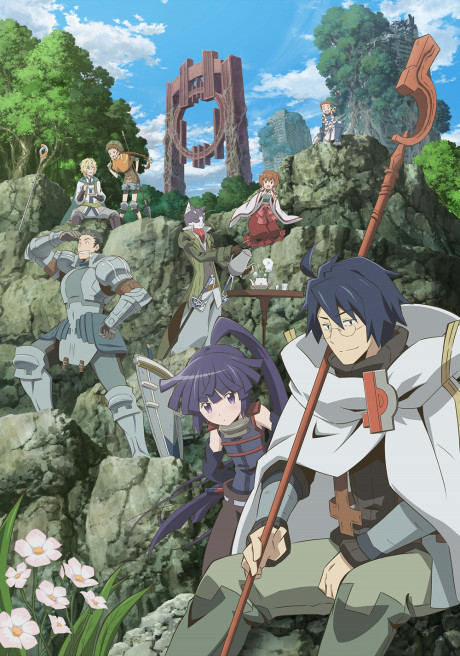
Amidst this chaos and uncertainty, a figure emerges who would become the linchpin of their new existence: Shiroe. Known to his long-time Elder Tales comrades as the “Villain in Glasses,” Shiroe is not a front-line warrior or a charismatic leader in the conventional sense. He is, first and foremost, a brilliant strategist, a master of information, and a peerless tactician. With his unassuming demeanor and sharp intellect, Shiroe quickly realizes that brute force alone won’t solve their problems. Their challenge isn’t just to survive monsters; it’s to survive *themselves* and the breakdown of order.
Shiroe’s initial actions are a masterclass in pragmatic problem-solving. He observes, analyzes, and then acts with calculated precision. He understands that a lack of resources, a breakdown of social structures, and the sheer psychological toll of their predicament are far greater threats than any goblin hoard. His vision is not just to gather powerful players, but to forge a functioning society, to create rules, to establish an economy, and to protect the weak. This is where the true genius of Log Horizon shines, as it delves into the intricacies of nation-building within an Isekai framework.
The Core of Log Horizon: A Trio of Unlikely Heroes
At Shiroe’s side are his steadfast companions. There’s Naotsugu, a boisterous Guardian and his oldest friend, whose loyalty is as unwavering as his penchant for crude jokes. Naotsugu provides the much-needed comic relief and a grounded perspective, often acting as Shiroe’s moral compass and unwavering shield. Then there’s Akatsuki, a petite but incredibly deadly Assassin, whose loyalty to Shiroe borders on reverence. Her lightning-fast movements and stealth abilities make her an invaluable asset, but her journey also explores themes of identity, self-worth, and finding one’s place in a world that suddenly feels too big. This core trio forms the emotional heart of the series, their evolving bonds and individual struggles adding immense depth to the overarching narrative.
Beyond this central group, Log Horizon boasts a truly memorable ensemble cast. From the indefatigable guild master Marielle, who forms the crucial Akiba Council to bring order, to the formidable Minori and Touya, young players who look up to Shiroe as a mentor, each character feels distinct and contributes meaningfully to the unfolding story. We see veteran players struggling with their new roles, young adventurers finding their courage, and powerful guilds learning to cooperate for the greater good. The series masterfully portrays how diverse personalities and skill sets are not just useful, but absolutely essential for the survival and prosperity of their new world.
The Elder Tales World: A Canvas for Society
Log Horizon doesn’t just trap players in a game; it intricately explores the game’s world itself. Dungeons, raids, crafting systems, and even the lore of Elder Tales become central to the plot. What was once a series of programmed events is now a living ecosystem with its own dangers, resources, and mysteries waiting to be uncovered. The anime meticulously details how Adventurers adapt their gaming knowledge to real-world applications, from farming food to establishing trade routes and even developing new forms of currency. It’s a fascinating study of emergent economics and political science wrapped in a fantasy adventure.
The interactions between the Adventurers and the People of the Land are particularly compelling. Rather than simply being background elements, the sentient NPCs become allies, rivals, and even subjects of diplomacy. The series explores their unique cultures, their reactions to the Adventurers, and the delicate balance required to coexist. This dynamic adds a rich layer of world-building, transforming Elder Tales from a mere backdrop into a complex, evolving society where two distinct cultures must learn to understand and respect each other. It’s a testament to the show’s depth that it tackles such nuanced themes with such skill.
Why Log Horizon Stands Apart from the Crowd
In an anime landscape rich with Isekai series, Log Horizon distinguishes itself through its *cerebral* approach. While many shows focus on overwhelming power fantasies or immediate death games, Log Horizon champions strategy, diplomacy, and societal construction. It asks not “How do we beat the boss?” but “How do we build a functional civilization when all the old rules are broken?” This focus on intellectual challenges over purely physical ones makes it an incredibly refreshing and thought-provoking watch. It’s less about the strongest sword and more about the sharpest mind.
For fans seeking a unique take on the “trapped in a game” genre, Log Horizon offers a profound exploration of what it means to rebuild, adapt, and find purpose in an entirely new reality. It delves into the psychological impact of their predicament, the importance of community, and the surprising ways people rise to extraordinary challenges. The series is packed with clever tactical maneuvers, engaging character arcs, and a meticulously crafted world that feels truly alive. It’s an adventure that stimulates the mind as much as it excites the senses.
Is Log Horizon the Right Adventure for You?
If you’re an anime enthusiast who appreciates masterful world-building, characters who evolve through genuine struggle, and a narrative that prioritizes intelligent problem-solving over simple power-ups, then Log Horizon is an absolute must-watch. It’s perfect for those who enjoy strategy games, fantasy epics, and stories that make you think about the intricacies of society and human nature. This isn’t just an anime; it’s an invitation to ponder, to strategize, and to root for a group of people who are not just surviving, but truly *living* in a world that was never meant to be real.
Prepare to be immersed in a tale where the greatest battles are fought not with swords, but with wits, diplomacy, and the unwavering spirit of community. Log Horizon offers an unforgettable journey into a world reborn, proving that sometimes, the greatest adventure lies not in escaping the game, but in learning to thrive within it. Don’t miss out on this truly remarkable and strategically brilliant Isekai experience!
Anime Information
Genres
Studios
Satelight, NHK, NHK Enterprises, Sentai Filmworks
Previous Post
 Kimi ni Todoke (Kimi ni Todoke: From Me to You)

Characters