Synopsis
Can a little sister truly be *that* cute, especially when she’s harboring a secret passion that would shock her seemingly ordinary family? Welcome, dear anime enthusiast, to the vibrant, often hilarious, and surprisingly heartfelt world of Ore no Imouto ga Konnani Kawaii Wake ga Nai, or My Little Sister Can’t Be This Cute, an anime that dives headfirst into the complexities of family bonds, hidden identities, and the unique allure of otaku culture. If you’re searching for an anime that blends slice-of-life charm with a compelling narrative about self-discovery and acceptance, then prepare to be captivated. This isn’t just a story about a brother and sister; it’s an exploration of finding your place in the world, even if that place is a little bit… unconventional.
The Kousaka Conundrum: Kyousuke’s Unwanted Drama
Our journey begins with Kyousuke Kousaka, a seemingly average high school student whose life is anything but. He’s the kind of guy who just wants a quiet, uneventful existence, but fate, or rather, his little sister, has other plans. Kyousuke finds himself in a rather precarious position. His relationship with his younger sister, Kirino, is, to put it mildly, strained. She gives him the cold shoulder, an icy indifference that frustrates him to no end. What makes this dynamic so intriguing is the backstory: Kyousuke had previously gone to great lengths for Kirino, even persuading her to drop her promising track and field career in America to return home. Now, he’s left wondering if his well-intentioned intervention has irrevocably damaged their sibling bond, leaving him with a heavy sense of guilt and confusion.
Kirino’s Enigma: The Perfect Sister with a Secret
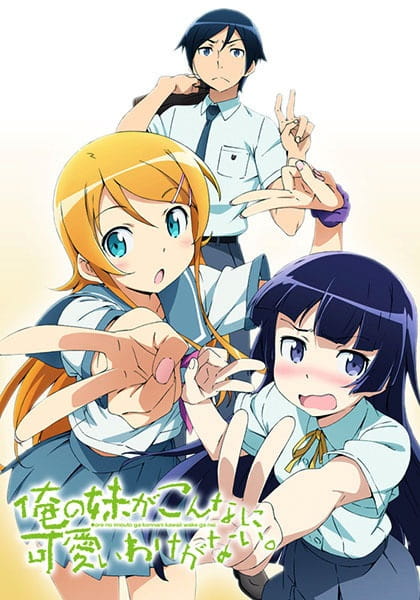
Kirino Kousaka is, on the surface, the picture of perfection. She’s beautiful, popular, a talented model, and an ace student – the kind of little sister any older brother would be proud of. Yet, beneath this impeccable façade lies a secret so profound, so *passionate*, that it threatens to shatter her carefully constructed image. Kirino is a diehard otaku, a fervent lover of eroge (adult visual novels) and anime, a hobby she meticulously hides from her family and friends. It’s this stark contrast between her public persona and her private obsession that forms the central tension of the series, making her a character that is both admirable and deeply relatable to anyone who’s ever felt the need to hide a part of themselves.
The Unveiling of a Hidden World
The story truly kicks off when Kyousuke accidentally discovers Kirino’s secret stash of otaku merchandise. This moment is a game-changer, forcing the siblings to confront the elephant in their room. Suddenly, Kyousuke isn’t just dealing with a distant sister; he’s now privy to a world she’s desperately tried to keep concealed. This revelation doesn’t magically fix their relationship, but it does open a new, awkward, and often hilarious channel of communication. Kyousuke, despite his initial shock and bewilderment, finds himself drawn into Kirino’s unique subculture, becoming her reluctant confidant and unwitting accomplice in navigating the ins and outs of the otaku world.
A Web of Relationships: Beyond Just Siblings
As if dealing with his sister’s secret wasn’t enough, Kyousuke’s life becomes even more complicated with the arrival of other colorful characters. We meet Ruri “Kuroneko” Gokou, a junior at his school and one of Kirino’s online otaku friends. Kuroneko is a gothic lolita with a penchant for elaborate fantasy speech and an air of mystery, sending Kyousuke a bold and cryptic message that hints at deeper connections and perhaps even budding feelings. Her presence, along with other members of Kirino’s otaku circle, expands the narrative, introducing new dynamics, rivalries, and friendships that challenge and enrich the lives of both Kousaka siblings.
Exploring Deeper Themes: Identity, Acceptance, and Passion
Oreimo is far more than just a comedic look at hidden hobbies. At its core, it’s a profound exploration of identity and the struggle for acceptance. Kirino’s need to hide her otaku passion speaks to a universal fear of judgment, especially when it comes to unconventional interests. The anime deftly tackles themes of self-acceptance, encouraging viewers to embrace their true selves, no matter how niche or peculiar their passions might seem. It highlights the importance of finding a community where one can feel understood and celebrated, a crucial message in today’s increasingly diverse world.
The Emotional Core: Navigating Complex Feelings
As the ties between Kirino, Kyousuke, and their expanding circle of friends deepen, the narrative shifts towards a more introspective look at their emotional landscapes. The synopsis hints at a crucial turning point: Kirino and Kyousuke will soon have to figure out how they want to deal with these evolving relationships, helping each other realize their own feelings in the process. This isn’t just about sibling affection; it delves into the nuanced, sometimes confusing, and often intense emotions that arise when people become deeply intertwined. The anime masterfully portrays the push and pull of attraction, friendship, and family loyalty, forcing characters to confront their desires and their fears.
Why Oreimo Resonates: A Blend of Comedy, Drama, and Heart
What makes My Little Sister Can’t Be This Cute a truly special watch is its remarkable ability to juggle various genres. It’s a laugh-out-loud comedy, particularly in the interactions between Kyousuke and Kirino as they navigate her otaku escapades. It’s also a compelling drama, exploring the complexities of family dynamics and the pain of unspoken emotions. And underneath it all, there’s a huge heart, shining through in moments of genuine connection and understanding. The animation is vibrant, the character designs are memorable, and the voice acting brings each personality to life with incredible nuance.
Is Oreimo For You? What to Expect from This Anime
If you are a fan of slice-of-life anime with a strong comedic bent, you’ll find much to love. If you appreciate stories that delve into the fascinating world of otaku culture, showing both its quirks and its heartfelt community, then this is an ABSOLUTE must-watch. Those who enjoy character-driven narratives, especially ones focusing on the development of sibling relationships and the complexities of young adult emotions, will be thoroughly engaged. Be prepared for some lighthearted fan service, but also for a surprisingly deep dive into what it means to be true to yourself.
The Enduring Appeal and Cultural Impact
Even years after its initial run, Oreimo continues to be a topic of discussion among anime fans, a testament to its memorable characters and thought-provoking themes. It played a significant role in bringing aspects of otaku culture into the mainstream, showcasing the passion and dedication of its enthusiasts. The anime tackles sensitive subjects with a blend of humor and sincerity, prompting viewers to consider their own biases and assumptions about hobbies that might seem “unconventional.” Its blend of relatable family drama and fantastical otaku escapades makes it a unique entry in the romantic comedy genre.
A Journey of Self-Discovery and Unbreakable Bonds
In conclusion, My Little Sister Can’t Be This Cute is an anime that promises a roller coaster of emotions, from uproarious laughter to genuine introspection. It’s a story about accepting the people you love, flaws and all, and about the courage it takes to embrace your true self. Kyousuke and Kirino’s journey, filled with awkward encounters, heartfelt confessions, and plenty of otaku shenanigans, is one that will stick with you long after the credits roll. If you’re looking for an anime that’s both entertaining and thought-provoking, offering a unique perspective on family, friendship, and finding your passion, then it’s time to discover why Kirino Kousaka’s secret life is so incredibly, irresistibly cute. Don’t miss out on this modern classic!
Anime Information
⭐ Score: 6.89/10
📺 Episodes: 13
Type: TV
📅 Year: 2013
Status: Finished Airing
Duration: 24 min per ep min
Rating: PG-13 – Teens 13 or older
Producers: Aniplex, Movic, ASCII Media Works, Bandai Namco Games
Genres
Themes
Studios
A-1 Pictures
Previous Post
 Koukyoushihen Eureka Seven (Eureka Seven)
Next Post
Dragon Ball Super: Broly
Characters