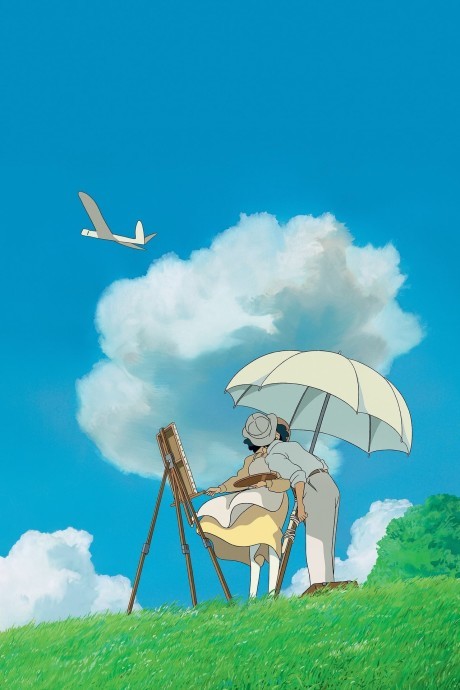
Synopsis
Embarking on a cinematic journey through the hallowed halls of Studio Ghibli, one often expects tales of fantastical creatures, whimsical adventures, or spirited young heroines. Yet, among its illustrious catalog stands a film that offers a profoundly different, yet equally mesmerizing, experience: Kaze Tachinu, known in the West as The Wind Rises. This isn’t just an anime; it’s a sprawling, deeply personal epic, a historical drama, a poignant romance, and a breathtaking ode to human ambition and the bittersweet nature of creation. If you’re pondering whether to dive into this masterpiece, prepare to be swept away by a story that is as intellectually stimulating as it is emotionally resonant.
The Dream Takes Flight: A Visionary’s Journey
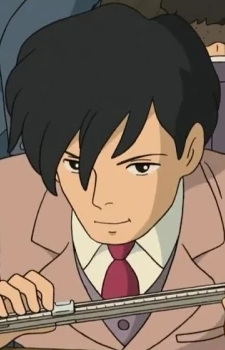
Our story begins with Jirou Horikoshi, a young boy with dreams that soar far beyond the confines of his small town. Possessing a brilliant mind but hindered by severe nearsightedness, the cockpit of an airplane remains tantalizingly out of reach. But Jirou is not one to be deterred. His passion for flight finds a new, equally exhilarating avenue: design. Inspired by the legendary Italian aircraft pioneer, Giovanni Battista Caproni, Jirou dedicates his life to aeronautical engineering. His ambition isn’t merely to build planes; it’s to craft flying machines of unparalleled beauty and efficiency, to make the impossible take wing. This singular, powerful dream propels him forward, a guiding star in a rapidly changing world.
A World in Turmoil: The Backdrop of an Era
Jirou’s journey takes him to Tokyo Imperial University, a nexus of innovation and intellect. Yet, his arrival in the bustling capital is marked by an event of colossal devastation: the Great Kanto Earthquake of 1923. This catastrophic natural disaster isn’t just a plot point; it’s a profound metaphor for the instability and immense challenges Japan faced throughout the early 20th century. The film masterfully weaves this historical tapestry, showing how Jirou’s personal aspirations are inextricably linked to the broader currents of social unrest, economic malaise, and the looming shadow of global conflict that would eventually engulf the nation in World War II. It’s a powerful reminder that even the most individual dreams unfold against a grander, often turbulent, historical stage.
Beyond the Blueprint: Jirou’s Unwavering Pursuit
As Jirou dedicates himself to his studies and eventually his career, we witness his relentless pursuit of perfection. He is a man obsessed with the mechanics of flight, the subtle curves of an airfoil, the precise balance of power and grace. The film delves into the intricate world of engineering, showcasing his innovative spirit and the collaborative effort required to bring his designs to life. For anyone fascinated by the process of invention and the sheer force of human ingenuity, Jirou’s professional journey is utterly captivating. It’s a testament to the power of dedication and the thrill of pushing boundaries.
The Heart’s Compass: A Love Story Intertwined
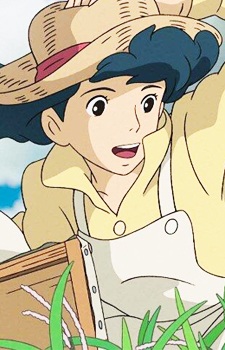
Amidst the blueprints and historical upheavals, a delicate and deeply moving romance blossoms. During the chaos of the Great Kanto Earthquake, Jirou encounters a young girl named Naoko Satomi, whom he helps rescue. Years later, fate brings them together again, and a profound connection forms. Their love story isn’t one of grand gestures or dramatic declarations; it’s a quiet, tender affirmation of companionship and resilience in the face of immense personal and societal challenges. It adds a crucial layer of humanity and vulnerability to Jirou’s otherwise singular focus on his engineering dreams.
Naoko Satomi: A Beacon of Hope and Fragility
Naoko is far more than a romantic interest; she is a character of immense strength and quiet dignity. Her gentle spirit and unwavering support become a vital anchor for Jirou, even as her own health begins to fail. Their relationship explores themes of sacrifice, the ephemeral beauty of life, and the profound impact two souls can have on each other, even when circumstances are overwhelmingly difficult. Her presence reminds us that even in the pursuit of monumental achievements, the most precious moments often lie in the simple, shared experiences of love and connection.
The Creative Genius of Hayao Miyazaki
The Wind Rises is a deeply personal film for its legendary director, Hayao Miyazaki. Often hailed as his final feature film before his announced (and later recanted) retirement, it reflects many of his lifelong interests: the beauty of flight, the moral complexities of war, the relationship between humanity and nature, and the relentless pursuit of artistic and engineering perfection. Miyazaki’s unique storytelling voice shines through every frame, making it a powerful capstone to an unparalleled career. It’s a film that truly captures the essence of his genius.
Visual Poetry: Ghibli’s Unmistakable Artistry
As expected from Studio Ghibli, the animation in Kaze Tachinu is nothing short of breathtaking. Every detail, from the intricate machinery of the airplanes to the serene landscapes and the tumultuous scenes of the earthquake, is rendered with meticulous care and stunning artistry. The wind, a recurring motif throughout the film, is depicted with an almost tangible presence, a character in itself. The visuals are a feast for the eyes, transcending mere animation to become a form of visual poetry that enhances the narrative and emotional depth. It’s a masterclass in hand-drawn excellence.
More Than Just Airplanes: Deeper Themes Explored
Beyond the surface narrative of an engineer building planes, The Wind Rises delves into a multitude of profound themes. It’s a nuanced exploration of the duality of creation: Jirou’s beautiful designs ultimately contribute to instruments of war, forcing us to confront the ethical dilemmas faced by creators throughout history. The film grapples with the cost of ambition, the pursuit of beauty in a world marred by ugliness, and the poignant balance between dreams and reality. It’s a meditation on life, death, love, and the relentless human drive to achieve, even against impossible odds.
A Symphony of Sound: Joe Hisaishi’s Masterpiece
No Ghibli film would be complete without the evocative musical scores of Joe Hisaishi, and The Wind Rises is no exception. Hisaishi’s compositions here are subtle, melancholic, and incredibly powerful, perfectly complementing the film’s tone. The music swells with hope, aches with sorrow, and underscores the quiet determination of Jirou’s journey, elevating every scene with its emotional resonance. It’s a soundtrack that lingers long after the credits roll, a true testament to its masterful composition.
Why Kaze Tachinu Resonates Today
The Wind Rises, despite being set in a specific historical period, possesses a timeless quality. Its themes of pursuing one’s passion, navigating personal relationships amidst societal turmoil, and confronting the ethical implications of one’s work are universally relevant. It’s a film that prompts introspection, encouraging viewers to consider the beauty and tragedy inherent in human endeavor. Its enduring legacy lies in its ability to provoke thought and stir the soul, making it a significant work in contemporary cinema.
Is The Wind Rises For You? A Definitive Watch
If you are seeking an anime that transcends typical genre conventions, that offers a mature and deeply moving narrative, and showcases the unparalleled artistry of Studio Ghibli and Hayao Miyazaki, then Kaze Tachinu is an absolute must-watch. It’s a film that demands your full attention, inviting you to reflect on life’s complexities and the enduring power of dreams. Whether you are a long-time Ghibli fan or a newcomer to their extraordinary world, prepare for an experience that is truly unforgettable, a cinematic journey that will stay with you long after the final frame. Let the wind carry you to this profound and beautiful story.
Anime Information
Genres
Studios
Studio Ghibli, Walt Disney Studios
Previous Post
 Bokutachi no Remake (Remake Our Life!)

Characters