Synopsis
The Enduring Charm of Ao Haru Ride: A Timeless Shoujo Masterpiece
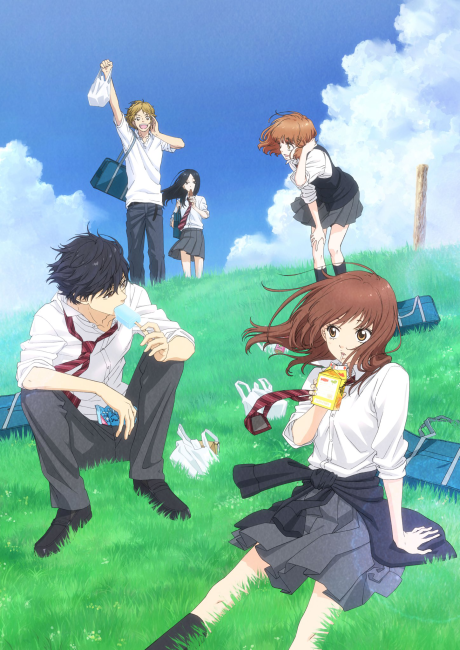
Prepare to embark on a heartfelt journey into the intricate world of high school romance, self-discovery, and the lingering echoes of first love. Ao Haru Ride, known also as Blue Spring Ride, isn’t just another shoujo anime; it is a beautifully crafted narrative that delves deep into the complexities of human connection, the pain of past regrets, and the exhilarating hope of a second chance. If you’re searching for an anime that will tug at your heartstrings, make you laugh, and ultimately leave you with a profound sense of warmth, then look no further. This is a story that resonates with anyone who has ever felt the awkwardness of adolescence or the bittersweet pang of an unrequited crush.
A Glimpse into Futaba Yoshioka’s World
Our protagonist, Futaba Yoshioka, is a character whose struggles feel incredibly real and relatable. In junior high, her natural cuteness became a double-edged sword, causing her to be ostracized by her female peers. This painful experience left a significant scar, shaping her perception of friendship and popularity. Compounding this, she harbored a secret, innocent crush on a kind, gentle boy named Tanaka-kun. Their connection, though subtle, was deeply felt by Futaba, promising a future that never quite materialized.
The Weight of Unspoken Words
The budding romance between Futaba and Tanaka-kun was tragically cut short by a series of misunderstandings, leaving Futaba’s feelings unspoken and her heart aching. A simple, almost childish misunderstanding prevented her from conveying the depth of her affection, and Tanaka-kun vanished from her life before she ever had the chance. This unresolved past casts a long shadow, a poignant “what if” that many of us can empathize with. It’s a reminder of how easily young love can be derailed by fear, miscommunication, and the cruel hand of circumstance.
A High School Reset: The Art of Reinvention
Entering high school, Futaba is determined to shed her past image and carve out a new identity. Her strategy? To be as “unladylike” as possible. She deliberately eats large portions, speaks loudly, and makes herself appear less conventionally attractive, all in a desperate attempt to avoid the jealousy and isolation she experienced before. This drastic transformation is a powerful commentary on the pressures young women face to conform, and the lengths they will go to simply fit in, even if it means sacrificing a part of themselves. It’s a compelling look at the often-painful process of self-reinvention.
The Unexpected Reunion: A Blast from the Past
Just as Futaba begins to settle into her carefully constructed new persona, fate intervenes with a seismic shock. She encounters Tanaka-kun once more, but he is no longer the gentle boy she remembers. Now going by the name Mabuchi Kou, he carries a different aura, a newfound coolness that borders on detachment. This reunion is a pivotal moment, shattering Futaba’s carefully built walls and forcing her to confront the feelings she thought she had buried deep within. The sheer surprise and emotional weight of this scene are incredibly well-executed, pulling viewers right into Futaba’s whirlwind of emotions.
Mabuchi Kou: A Shadow of His Former Self
Kou’s transformation is perhaps even more profound than Futaba’s. The once cheerful and open Tanaka-kun has become Mabuchi Kou, guarded, cynical, and seemingly indifferent. His eyes hold a distant sadness, hinting at a past that has irrevocably changed him. This mystery surrounding Kou’s new personality adds layers of intrigue to the story, compelling viewers to understand what happened to the boy Futaba once knew. It’s a brilliant narrative choice that deepens the emotional stakes and drives much of the initial conflict.
The Lingering Echoes of First Love
During their reunion, Kou delivers a devastating blow: he acknowledges that he once felt the same way about Futaba, but firmly states that “things can never be the same again.” This line immediately establishes the central conflict of Ao Haru Ride. It’s not just about rekindling a romance; it’s about overcoming the baggage of the past, the changes they’ve both undergone, and the formidable barriers that now stand between them. This revelation sets the stage for a deeply emotional and often frustrating journey as Futaba attempts to bridge the chasm that has opened between them.
The Narrative Power of Second Chances
From a Story Writer Specialist’s perspective, Ao Haru Ride masterfully explores the concept of second chances, not just in love but in life itself. The narrative arc for both Futaba and Kou is one of profound personal growth. Futaba learns to embrace her true self, shedding the guise of “unladylike” behavior to forge genuine connections. Kou, on the other hand, slowly begins to open up, confronting his own pain and allowing others back into his carefully guarded heart. Their individual journeys are just as compelling as their intertwined romantic one, making the story incredibly rich.
Beyond Romance: A Journey of Self-Discovery
While the romance is undeniably central, Ao Haru Ride is so much more than just a love story. It is a powerful exploration of friendship, particularly the complexities of female friendships in high school. Futaba’s struggle to find true friends who accept her for who she is, without jealousy or judgment, forms a significant and heartwarming subplot. The anime beautifully illustrates the importance of communication, the pain of misunderstandings, and the courage it takes to be vulnerable. These themes elevate the series beyond typical shoujo fare, making it a truly impactful coming-of-age narrative.
The Art of Shoujo Storytelling
What makes Ao Haru Ride such an exceptional high school romance anime is its commitment to realistic character development and emotional depth. The pacing allows for the characters’ feelings to evolve naturally, avoiding rushed plot points. The internal monologues of Futaba provide invaluable insight into her thoughts and anxieties, making her incredibly empathetic. The visual storytelling, from the tender expressions to the vibrant spring settings, enhances the emotional resonance, immersing viewers completely in the world of Blue Spring Ride. It’s a masterclass in how to tell a relatable, heartfelt story.
Why Ao Haru Ride Continues to Captivate
Ao Haru Ride remains a beloved shoujo anime because of its universal themes and unforgettable characters. It’s a story about navigating the tumultuous waters of adolescence, finding your voice, and fighting for the love you believe in. The relatable struggles, the genuine emotions, and the beautifully portrayed journey of two individuals rediscovering each other make it an incredibly compelling watch. Whether you’re a long-time fan of romance anime or a newcomer seeking a captivating story, this series offers an experience that is both moving and deeply satisfying.
Who Should Watch Ao Haru Ride?
If you are a fan of character-driven narratives, emotional depth, and realistic high school drama, then Ao Haru Ride is an absolute must-watch. It appeals to anyone who enjoys stories about first love, second chances, and the messy, beautiful process of growing up. Its blend of heartwarming moments, frustrating misunderstandings, and ultimate triumph makes it a perfect binge-watch for those looking for a series that truly makes you feel. Discover why this anime has garnered such a passionate following and continues to be recommended as a quintessential shoujo experience.
An Irresistible Invitation to Blue Spring Ride
In conclusion, Ao Haru Ride is more than just an anime; it’s an experience. It’s a poignant reminder of the power of connection, the courage it takes to be true to oneself, and the enduring hope that love, even lost love, can find its way back. Prepare to fall in love with Futaba, empathize with Kou, and root for their journey every step of the way. Don’t miss out on this timeless tale of blue spring romance. It’s waiting to sweep you off your feet.
Anime Information
Genres
Studios
Production I.G, Sony Music Entertainment, Toho, BS11, Animatic, Shueisha, Mainichi Broadcasting System, Movic, Hakuhodo DY Music & Pictures, Sony PCL
Previous Post
 Mahoutsukai no Yome (The Ancient Magus' Bride)