Synopsis
DEATH NOTE: A Masterpiece of Moral Dilemmas and Minds at War
Prepare yourself for an anime experience unlike any other, a psychological thriller that will grip your mind, challenge your convictions, and leave you questioning the very nature of justice. DEATH NOTE isn’t just a story; it’s a meticulously crafted intellectual battle, a philosophical debate wrapped in a supernatural mystery, and an absolute must-watch for anyone who appreciates brilliant storytelling. From the moment its iconic opening theme hits, you’re not just watching a show; you’re entering a high-stakes game where every move could mean life or death, where the lines between good and evil blur into an intoxicating shade of gray.
Imagine a world where a single individual holds the power to reshape society, to purge it of what they deem “evil.” What would that look like? How would humanity react? And perhaps most importantly, who has the right to wield such terrifying authority? DEATH NOTE dares to ask these profound questions, presenting a narrative so compelling, so intricately woven, that it has transcended mere entertainment to become a cultural phenomenon. It’s a series that demands your full attention, rewarding it with twists, turns, and revelations that will keep you on the edge of your seat from beginning to end.
This isn’t your typical action-packed shonen or a lighthearted slice of life. DEATH NOTE is a cerebral journey into the darker aspects of human ambition and morality. It’s a story that will ignite discussions, spark debates, and linger in your thoughts long after the final credits roll. If you’re searching for an anime that offers more than just spectacle, one that delves deep into the human psyche and the intoxicating allure of power, then your quest ends here.
The Genesis of a God
Light Yagami’s Dark Ascension
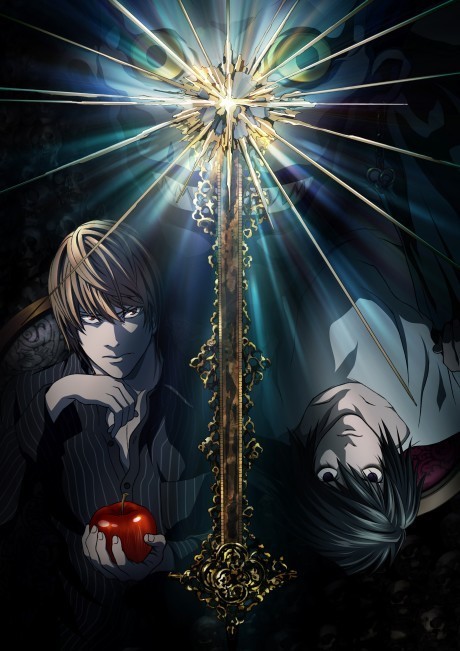
Our story begins with Light Yagami, a high school student of unparalleled intellect, bored by the mundane world and frustrated by its pervasive crime. He sees the world as rotten, a place ripe for change, but feels powerless to enact it. This initial portrayal of Light is crucial, setting the stage for the dramatic shift that is about to occur. He’s not inherently evil, but his sense of justice is rigid, his ego immense, and his belief in his own superiority, undeniable.
The Birth of Kira
His life, and indeed the fate of the world, changes irrevocably when he stumbles upon a mysterious black notebook: the Death Note. This isn’t just any journal; it’s a supernatural artifact dropped by a bored Shinigami, a God of Death named Ryuk. The rules are simple, yet terrifying: write a person’s name in the Death Note while picturing their face, and they will die. Light, initially skeptical, soon discovers the horrific truth of its power. And with this power, a new conviction is born within him: he will use the Death Note to rid the world of criminals, to become the god of a new, perfect world. He adopts the moniker “Kira,” a name that will soon echo with both fear and reverence across the globe.
The Unseen Spectator: Ryuk and the Rules of Death
The Shinigami’s Whimsical Influence
Accompanying Light on this dark journey is Ryuk, the Shinigami who dropped the Death Note. Ryuk is not a benevolent guide or a malevolent tempter; he’s an observer, a being of pure, unadulterated boredom, fascinated by the spectacle Light creates with his newfound power. His presence is a constant, chilling reminder of the supernatural forces at play, yet he offers no moral judgment, only amusement. He’s a truly unique character, whose dry wit and detached interest provide moments of dark humor amidst the intense psychological drama.
The Global Impact of a Pen Stroke
The World Under Kira’s Judgment
As criminals around the world begin to die mysteriously, public opinion becomes sharply divided. Some see Kira as a savior, a divine hand cleansing the world of its filth, leading to a dramatic drop in global crime rates. Others view him as a mass murderer, a deranged vigilante with too much power. The world is plunged into a state of both fear and awe, a chilling testament to the profound impact one high school student can have with a pen and a notebook. This global reaction further fuels Light’s conviction, solidifying his role as the self-proclaimed god of a new era.
The Detective’s Shadow: L Enters the Fray
The Enigmatic Genius
But Light’s audacious plan does not go unnoticed. The world’s greatest detective, an eccentric and reclusive genius known only as L, takes up the challenge of catching Kira. L is Light’s intellectual equal, perhaps even his superior, a man who lives in the shadows, his face unseen, his methods unconventional. He is the perfect foil, a brilliant mind dedicated to upholding justice within the established legal framework, directly opposing Light’s radical, self-appointed brand of “justice.”
The Cat-and-Mouse Game Begins
From the moment L announces his presence, the series transforms into an electrifying cat-and-mouse game, a psychological battle of wits that is arguably the finest ever depicted in anime. L’s initial deductions are startlingly accurate, immediately narrowing down Kira’s location and forcing Light to become even more cunning and ruthless. This isn’t a fight with fists or explosions; it’s a war waged with intellect, deduction, misdirection, and pure, unadulterated strategy.
A Chess Match for the Ages
The Ultimate Psychological Showdown
What makes DEATH NOTE so incredibly compelling is this relentless back-and-forth between Light and L. Every episode feels like a move in a grand, high-stakes chess match, where each player anticipates the other’s actions, sets elaborate traps, and executes daring counter-strategies. The tension is palpable, the stakes are everything, and the audience is left constantly guessing, wondering who will make the first fatal mistake. Their rivalry is legendary, a clash of titans that drives the narrative forward with breathtaking speed and intensity.
Beyond the Thrills: Death Note’s Enduring Philosophical Core
Unpacking Justice and Morality
Beyond the thrilling suspense and intricate plot, DEATH NOTE is a profound exploration of justice itself. It forces viewers to confront uncomfortable questions: Is it ever right to take a life, even for the greater good? Does the end justify the means? When one person decides what is “evil,” what stops them from becoming the ultimate evil themselves? The anime doesn’t offer easy answers; instead, it presents both sides of the argument with compelling force, allowing the audience to wrestle with these moral dilemmas alongside the characters.
The Corrupting Nature of Absolute Power
The series also serves as a chilling cautionary tale about the corrupting influence of absolute power. Light begins with seemingly noble intentions, aiming to create a better world. However, as his power grows, so does his arrogance, his paranoia, and his willingness to eliminate anyone who stands in his way, regardless of their guilt or innocence. It’s a stark reminder that even the purest intentions can be twisted into tyranny when unchecked power is involved.
The Price of Godhood
DEATH NOTE masterfully explores the human desire for control and the intoxicating delusion of godhood. Light believes he is becoming a god, but the series subtly, and sometimes overtly, shows the immense personal cost of such an ambition. His isolation, his constant fear of exposure, and the moral compromises he makes chip away at his humanity, transforming him into something far more monstrous than the criminals he initially sought to eliminate.
Why Death Note Continues to Captivate
A Legacy Etched in Anime History
DEATH NOTE isn’t just a beloved anime; it’s a cornerstone of modern storytelling. Its unique premise, unforgettable characters, and groundbreaking psychological warfare have left an indelible mark on the industry. The animation, while not always flashy, perfectly captures the dark, brooding atmosphere, and the soundtrack is iconic, amplifying every moment of tension and triumph. Even years after its release, it remains a topic of intense discussion, its themes as relevant as ever.
Whether you’re a seasoned anime enthusiast or a newcomer looking for a truly impactful series, DEATH NOTE offers an unparalleled journey into the darkest corners of the human mind and the complex nature of justice. It’s a series that will challenge you, entertain you, and ultimately, leave you questioning everything you thought you knew about right and wrong. Don’t just watch it; experience it. Take the plunge into the world of Kira and L, and discover why this masterpiece continues to reign supreme as one of the most intelligent and thought-provoking anime ever created.
Anime Information
Genres
Studios
MADHOUSE, VAP, Viz Media, Nippon Television Network, Konami, Ashi Productions, Shueisha, Selecta Visión
Previous Post
 Shingeki no Kyojin (Attack on Titan)

Characters