Synopsis
Hai to Gensou no Grimgar: A Gritty Isekai That Redefines Survival
Step into a world where fantasy isn’t a game, but a brutal test of survival. In the vast landscape of anime, particularly within the ever-expanding isekai genre, there are countless tales of heroes transported to new realms, often blessed with incredible powers or pre-existing knowledge. But then there is Grimgar, a series that dares to strip away the usual power fantasy and plunge its characters—and its audience—into a raw, unforgiving reality where every breath is a struggle and every victory is earned through blood, sweat, and tears. If you’re searching for an anime that offers profound emotional depth, stunning visuals, and a truly unique take on the “other world” adventure, prepare to be captivated by Hai to Gensou no Grimgar.
The chilling premise immediately sets a different tone. Imagine waking up in a strange, medieval-fantasy world with no memory of your past life, no idea how you got there, and only your name to cling to. This is the harrowing reality for a group of strangers who find themselves thrust into Grimgar. They are united by their shared amnesia and a primal sense of fear, survival, and instinct resonating deep within their souls. There are no cheat codes, no guiding hands, just the immediate, pressing need to find a way to exist in this beautiful yet dangerous land.
Their only option for survival, the only paying job available, is to enlist in the Reserve Army. Their mission: to eliminate anything that threatens the fragile peace of Grimgar. This isn’t some grand quest for glory or a noble cause; it’s a desperate means to an end, a way to earn enough copper coins to afford food and basic shelter. The stakes are instantly clear: fail to fight, and you fail to live. This isn’t a virtual reality game where you can simply hit reset. This is life and death, and death is permanent.
The formation of the party itself is a testament to the harsh realities of Grimgar. When the more capable, confident, and perhaps even those with stronger latent abilities quickly band together, those left behind are forced to make their own alliances. This creates a fascinating dynamic, focusing on the underdogs, the less-than-ideal candidates who must pool their limited strengths to survive. It’s a story about finding strength not in inherent power, but in collective vulnerability and the desperate need for companionship.
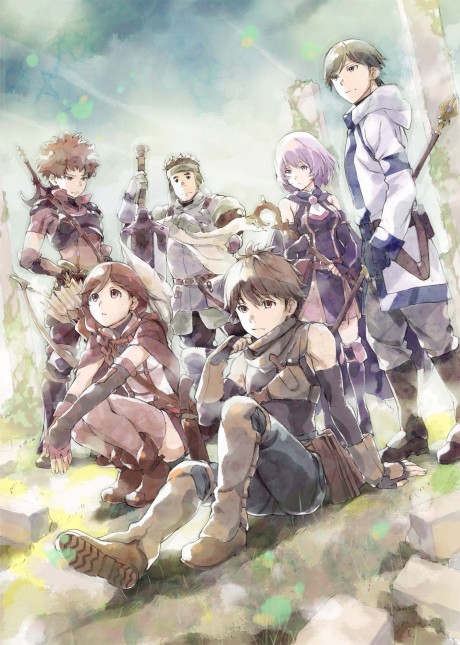
At the heart of this fledgling group is Manato, a charismatic leader whose calm demeanor and strategic mind make him a natural priest and the initial anchor for the party. He’s the one who keeps spirits up, offers guidance, and provides crucial healing. Then there’s Haruhiro, a nervous thief who finds himself reluctantly stepping into a more prominent role than he ever anticipated. His anxieties are palpable, making him an incredibly relatable protagonist who embodies the audience’s own trepidation in this perilous world.
The rest of the group is equally compelling in their initial struggles and eventual growth. Yume, a cheerful hunter, brings a much-needed spark of optimism, though her skills are still developing. Shihoru, a shy mage, possesses powerful magic but struggles with her confidence, often shrinking from confrontation. Mogzo, a kind warrior, provides the physical backbone with his imposing stature and gentle heart, a gentle giant learning to wield his strength. And finally, Ranta, a rowdy dark knight, whose abrasive personality often clashes with the group, yet whose loyalty, in his own unique way, proves invaluable. This isn’t a team of seasoned adventurers; it’s a ragtag collection of novices thrown into the deep end, forced to learn on the fly.
The world of Grimgar itself is breathtakingly beautiful, yet utterly unforgiving. Every encounter with a goblin, a creature often depicted as mere fodder in other fantasy settings, becomes a terrifying ordeal. These aren’t faceless enemies; they fight back, they bleed, and they can kill. The anime meticulously portrays the arduous process of learning combat, the slow, agonizing grind for experience, and the constant fear of making a fatal mistake. There are no easy victories, no sudden power-ups. Every coin earned, every piece of gear acquired, feels like a monumental achievement.
The True Heart of Grimgar: Emotional Resonance
Where Hai to Gensou no Grimgar truly distinguishes itself is in its profound exploration of grief and loss. Unlike many series where character deaths are often used for shock value or as a catalyst for a power boost, Grimgar treats death with a haunting realism. When a member of the party falls, the impact is devastating, not just for the characters but for the viewer. The anime doesn’t shy away from showing the raw, messy, and enduring pain of losing someone you’ve fought alongside, someone you’ve come to rely on.
This focus on loss highlights the incredible bonds that form between the characters. Their camaraderie isn’t built on shared triumphs but on shared suffering, on the mutual understanding that they are all they have in this brutal world. They mourn together, they pick themselves up together, and they learn to push forward, not just for their own survival, but for the memory of those they’ve lost. It’s a powerful testament to the human spirit’s ability to endure and find hope even in the darkest of times.
A Visual and Auditory Masterpiece
Beyond its compelling narrative, Grimgar is a feast for the senses. The anime boasts a distinctive watercolor-like art style that gives the world a dreamlike, almost melancholic beauty. The backgrounds are meticulously detailed and vibrant, creating a stunning contrast with the often grim realities the characters face. This unique aesthetic elevates the series, making every frame feel like a piece of art.
The musical score is equally impactful, with its haunting melodies and atmospheric tracks perfectly complementing the series’ tone. The music often incorporates a blend of acoustic and ethereal elements, enhancing the emotional weight of each scene, from moments of quiet contemplation to intense, desperate battles. It’s a masterclass in how music can amplify storytelling and immerse the viewer deeper into the characters’ experiences.
Why Grimgar is a Must-Watch Deconstruction of Isekai
For newcomers to the series, prepare for an experience unlike most other fantasy anime. If you’re tired of overpowered protagonists who breeze through challenges, Grimgar offers a refreshing, grounded alternative. It’s a deconstruction of the isekai genre, stripping away the common tropes to reveal the raw, human struggle beneath. It asks: what if being transported to another world wasn’t a blessing, but a terrifying ordeal? What if you had to genuinely earn your place, inch by painful inch?
For existing fans, revisiting Grimgar is an opportunity to appreciate its nuances, its subtle character growth, and the profound emotional journey it takes you on. It’s a story that lingers long after the credits roll, prompting reflection on themes of loss, resilience, and the enduring power of human connection. It’s not about becoming the strongest, but about finding the strength to simply keep going.
Should You Enter Grimgar?
If you appreciate character-driven narratives, realistic fantasy, and stories that aren’t afraid to explore the heavier aspects of survival and loss, then Hai to Gensou no Grimgar is an absolute must-watch. It’s for those who seek an emotional investment, who want to witness genuine growth born from adversity, and who are ready to be deeply moved by the struggles of a group of ordinary people in an extraordinary, terrifying world. Dive into Grimgar, and discover a world where every step is a victory, and every moment of peace is a treasure earned through relentless effort.
Anime Information
Genres
Studios
A-1 Pictures, Funimation, Madman Entertainment
Previous Post
 Vivy: Fluorite Eye’s Song (Vivy -Fluorite Eye's Song-)