Synopsis
Ghost in the Shell: Stand Alone Complex – A Cybernetic Masterpiece You Can’t Afford to Miss!
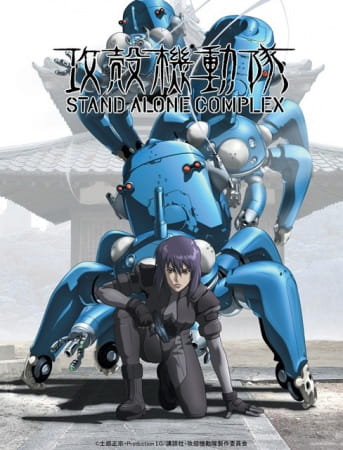
Prepare yourself for an unparalleled journey into the not-so-distant future, a world where the very essence of humanity is challenged, redefined, and sometimes, terrifyingly exploited. Koukaku Kidoutai: Stand Alone Complex, more commonly known as Ghost in the Shell: Stand Alone Complex, isn’t just another anime; it’s a profound, action-packed, and intellectually stimulating experience that has cemented its place as a cornerstone of science fiction. If you’ve ever wondered about the future of consciousness, the ethics of advanced technology, or just craved a brilliantly crafted cyber-thriller, then this is the series you absolutely need to immerse yourself in. Get ready to have your mind blown.
The Future Is Now: A World Transformed
Imagine a world where the human body is no longer a fixed entity, but a canvas for technological marvels. In the meticulously crafted universe of Stand Alone Complex, mankind has achieved a state of incredible advancement, where complete body transplants from flesh to machine are not just possible, but commonplace. This revolutionary leap allows for astounding increases in both physical prowess and cybernetic capabilities, blurring the lines between what is organic and what is artificial. Limbs, organs, even entire bodies can be replaced, granting individuals superhuman strength, enhanced senses, and direct access to vast networks of information. It’s a dazzling vision of human evolution, but one that comes with a dark, complex underbelly.
This incredible technological leap, while offering unprecedented opportunities, also opens the door to innovative and often terrifying new forms of crime. When identities can be stolen with a few lines of code, when minds can be hacked, and when the very concept of a “soul” – or “ghost” – is questioned, the traditional methods of law enforcement become woefully inadequate. Criminals, too, make full use of these advanced technologies, creating a landscape of digital espionage, high-tech terrorism, and philosophical quandaries that challenge society’s very foundations.
Section 9: Humanity’s Last Line of Defense
In response to such innovative and highly sensitive crimes, the Japanese government has established a truly extraordinary entity: Public Security Section 9. This independently operating police unit is unlike any other, tasked with confronting threats that exist at the bleeding edge of technology and consciousness. They are the specialists, the Ghost in the Shell, operating in the shadows to protect a society that often doesn’t even comprehend the dangers lurking within its own cybernetic infrastructure. Their mandate extends across the entire social spectrum, tackling everything from corporate espionage to political conspiracies, usually with unparalleled success.
At the heart of Section 9 are its two pivotal leaders, characters whose very existence embodies the blurred lines of this future. There’s Daisuke Aramaki, the pragmatic, shrewd chief who navigates the bureaucratic maze with quiet authority, providing the essential political and logistical backbone for his elite team. And then there’s Motoko Kusanagi, the Major. She is the undisputed field commander, a full-body cyborg whose physical and cybernetic prowess is unmatched. Together, Aramaki and Kusanagi lead a diverse and highly skilled team, each member bringing a unique blend of combat expertise, hacking acumen, and philosophical depth to their dangerous missions.
The Major: A Cyborg’s Soul
Motoko Kusanagi is far more than just a formidable warrior; she is the philosophical anchor of Stand Alone Complex. A full-body cyborg since childhood, her existence constantly probes the questions of identity and self. What truly defines a human when every part of your body, save for perhaps your brain, is artificial? Where does the “ghost” reside within the machine? The Major is a character of incredible complexity, driven by an unyielding sense of duty but also haunted by existential introspection. Her incredible combat skills are matched only by her sharp intellect and strategic mind, making her one of the most iconic and compelling protagonists in all of anime. Witnessing her navigate both intense physical confrontations and profound philosophical dilemmas is a central, gripping aspect of the series.
The Laughing Man: A Phantom in the Machine
The stage is set for a truly epic confrontation when Section 9 encounters a new, enigmatic A-level hacker known only as “The Laughing Man.” This isn’t just any criminal; he’s a master of cyber-terrorism, an elusive phantom who leaves behind a signature smiling logo and a trail of baffling, seemingly disconnected incidents. His methods are sophisticated, his motives obscure, and his ability to manipulate information and perception is almost supernatural. The Laughing Man quickly becomes the ultimate challenge for Section 9, pushing their technological limits, their investigative skills, and their understanding of the very nature of crime in a digital age.
The Cat and Mouse Game: A Web of Intrigue
What follows is an exhilarating and intellectually stimulating cat-and-mouse game that forms the backbone of the series’ overarching narrative. As Section 9 follows The Laughing Man’s elusive trail, they uncover layers of conspiracy, corporate malfeasance, and governmental cover-ups that stretch far beyond a single hacker. The investigation forces the team to confront not only external threats but also internal doubts about the society they protect. Every clue, every hack, every confrontation pulls them deeper into a labyrinthine plot that challenges their perceptions of truth, justice, and the very fabric of their cybernetic world. It’s a masterclass in suspense, keeping viewers on the edge of their seats while simultaneously engaging their minds.
More Than Just Action: Deep Philosophical Currents
While the action sequences are breathtaking and the cyber-thriller elements are expertly executed, Stand Alone Complex truly shines in its profound philosophical explorations. The series delves fearlessly into questions of human identity in an age of pervasive cybernetics: What does it mean to be human when your body can be replaced, your memories altered, and your consciousness copied? It explores the nature of information, the dangers of mass media manipulation, and the ethical dilemmas posed by advanced AI and biotechnology. These deep themes are woven seamlessly into the narrative, enriching every episode and leaving viewers with much to ponder long after the credits roll.
A Narrative Web of Intrigue
One of the brilliant aspects of Stand Alone Complex is its unique narrative structure. While there is an overarching, serialized plot centered around The Laughing Man, many episodes also function as standalone investigations, allowing the series to explore a wide array of cyber-crimes and societal issues within its futuristic setting. This ingenious format provides both immediate gratification with compelling individual stories and the satisfaction of a grand, unfolding mystery. It ensures that every episode feels fresh and engaging, while steadily building towards a truly epic climax for the main storyline. This blend makes it incredibly accessible for new viewers, while offering rich layers for dedicated fans to dissect.
Visuals and Sound: An Immersive Experience
Visually, Stand Alone Complex is a triumph. The animation is fluid, detailed, and perfectly captures the sleek, futuristic aesthetic of its world. From the bustling, neon-drenched cityscapes to the intricate designs of the Major’s cybernetic body and the diverse cast of characters, every frame is a testament to meticulous craftsmanship. Complementing this visual splendor is an absolutely iconic soundtrack composed by the legendary Yoko Kanno. Her masterful blend of electronic, orchestral, and vocal pieces elevates every scene, adding depth, emotion, and an unforgettable atmosphere to the series. The music isn’t just background; it’s an integral part of the storytelling, making the world of Section 9 truly come alive.
Why Stand Alone Complex Remains Essential Viewing
For newcomers, this is your invitation to dive into a truly legendary piece of anime. If you’re looking for a series that combines thrilling action, complex characters, thought-provoking philosophy, and a compelling mystery, look no further. Stand Alone Complex is a gateway into a genre-defining universe that has influenced countless other works. It’s a complete narrative, offering a satisfying conclusion while still leaving you pondering its ideas for years to come. Don’t let its reputation intimidate you; jump in and discover why it’s so universally acclaimed.
For existing fans, revisiting Stand Alone Complex is always a rewarding experience. The layers of its narrative, the subtleties of its character development, and the enduring relevance of its themes only deepen with each viewing. You’ll catch new details, appreciate the foreshadowing, and find new meaning in its philosophical questions. It’s a chance to reconnect with one of anime’s most iconic teams and relive a story that truly pushed the boundaries of what animation could achieve.
Final Verdict: A Timeless Masterpiece
Ghost in the Shell: Stand Alone Complex is more than just an anime series; it is a cinematic achievement, a philosophical treatise, and an unforgettable journey into the heart of a cybernetic future. It’s a series that dares to ask profound questions about what it means to be human in an increasingly technological world, all while delivering pulse-pounding action and a gripping narrative. If you have even a passing interest in science fiction, cyberpunk, or simply brilliant storytelling, do yourself a tremendous favor and watch this series. It is, without a doubt, a timeless masterpiece that will stay with you long after you’ve witnessed its final, powerful moments. Prepare to be captivated.
Anime Information
⭐ Score: 8.42/10
📺 Episodes: 26
Type: TV
📅 Year: 2002
Status: Finished Airing
Duration: 24 min per ep min
Rating: R – 17+ (violence & profanity)
Producers: Bandai Visual, Dentsu, Victor Entertainment, Animax, Kodansha, Trilogy Future Studio, Tokuma Shoten, Nippon Television Network
Genres
Themes
Studios
Production I.G
Previous Post
 Rainbow: Nisha Rokubou no Shichinin (Rainbow)
Next Post
Durarara!!x2 Ten (Durarara!! x2 Ten)
Characters