Synopsis
Lucky☆Star: Your Ultimate Guide to a Slice of Life Masterpiece
Have you ever wondered about the most profound questions of daily existence? Perhaps pondering the absolute best way to savor a dessert, or whether identical twins truly share a psychic link? What about the intriguing dynamics of who finds “moe” girls utterly captivating? These aren’t just idle thoughts; they are the very fabric of the universe as seen through the incredibly inquisitive, and often hilariously otaku, mind of Konata Izumi. Lucky☆Star isn’t merely an anime; it’s an invitation into a world where the mundane becomes MAGNIFICENT, where everyday banter transforms into philosophical debate, and where the most ordinary moments sparkle with extraordinary charm. If you’re searching for an anime that defies conventional storytelling to celebrate the joy of just *being*, then prepare to be utterly charmed.
The Irresistible Charm of Daily Life
At its core, Lucky☆Star is a quintessential slice-of-life comedy, but calling it “quintessential” barely scratches the surface. It takes the genre’s fundamental premise—observing the everyday lives of its characters—and elevates it with a unique blend of sharp wit, deep dives into otaku culture, and an unwavering commitment to finding humor in the most unexpected places. Forget grand narratives or world-saving quests; this anime understands that true entertainment often lies in the relatable, the silly, and the genuinely heartfelt interactions between friends. It’s a show that finds profound meaning in the seemingly trivial, encouraging viewers to appreciate the small, often overlooked moments that make up our own lives. This is not just watching characters live; it’s experiencing life alongside them, one delightful conversation at a time.
Meet the Iconic Quartet
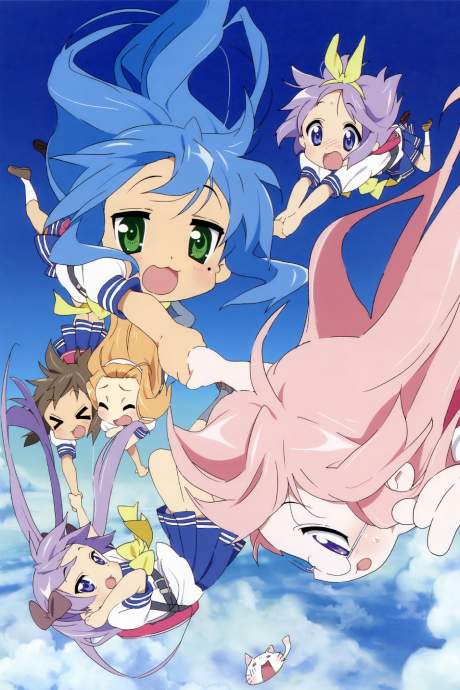
The heart and soul of Lucky☆Star are its four main protagonists, a group of high school girls whose personalities clash and complement in the most entertaining ways imaginable. Their dynamic is the engine that drives every discussion, every outing, and every hilarious misunderstanding. From the moment you meet them, you’ll feel like you’ve stumbled into an existing friend group, instantly drawn into their world of school, hobbies, and endless chatter. Each character brings a distinct flavor to the ensemble, ensuring that every conversation is fresh and engaging, offering different perspectives on everything from school assignments to the latest anime episode.
Konata Izumi: The Ultimate Otaku Protagonist
Leading the charge is Konata Izumi, the blue-haired, self-proclaimed “lazy otaku” who lives and breathes anime, manga, and online gaming. Konata is the ultimate relatable figure for anyone who has ever been deeply passionate about a hobby. Her life revolves around her fandoms, and her quick wit and encyclopedic knowledge of all things pop culture are a constant source of humor and insight. She’s the one posing those quirky philosophical questions, often drawing parallels between real life and the fictional worlds she adores. Konata is not just a character; she’s a celebration of the otaku lifestyle, presented with affection and understanding, making her an INSTANT favorite for many viewers.
Kagami Hiiragi: The Tsundere Voice of Reason
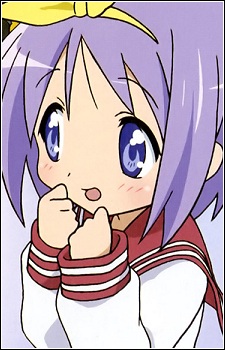
Opposite Konata, often literally, is Kagami Hiiragi. The meticulous, academically focused, and easily flustered twin sister of Tsukasa, Kagami serves as the group’s de facto voice of reason. She’s the one who tries to keep Konata grounded, often failing spectacularly, leading to some of the show’s most comedic moments. Kagami’s “tsundere” tendencies—her tough exterior masking a genuinely caring heart—make her incredibly endearing. She might complain about Konata’s antics, but deep down, she cherishes their friendship, and her exasperated reactions are a constant source of laughter. Her struggles with homework, her attempts to be normal, and her secret love for certain things make her surprisingly relatable.
Tsukasa Hiiragi: The Lovable Airhead
Then there’s Tsukasa Hiiragi, Kagami’s younger twin sister. Sweet, innocent, and perpetually a little bit behind the curve, Tsukasa is the group’s lovable airhead. She’s easily confused, often misunderstanding jokes or concepts, which only adds to her charm. Her gentle nature and earnest attempts to keep up with her more sharp-witted friends create many heartwarming and humorous situations. Tsukasa embodies a kind of innocent joy, reminding us that sometimes the simplest perspectives can be the most delightful. Her relationship with her sister, Kagami, is particularly touching, showcasing the unique bond between siblings.
Miyuki Takara: The Walking Encyclopedia
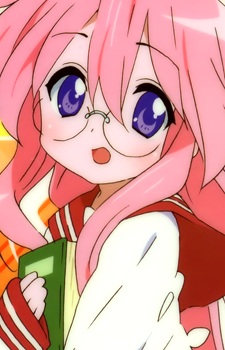
Rounding out the core four is Miyuki Takara, the elegant, soft-spoken, and incredibly intelligent “ojou-sama” (young lady) of the group. With her vast knowledge on almost any subject, Miyuki often provides detailed explanations for the most obscure topics, from the proper way to eat a cream puff to the biological reasons behind certain human behaviors. Her gentle demeanor and polite mannerisms offer a calming presence, though her occasional absentmindedness or surprising insights can catch her friends—and the audience—off guard. Miyuki is a wonderful counterpoint to Konata’s pop culture references, bringing a different kind of intellectual curiosity to their conversations.
More Than Just Conversations
While the show is predominantly dialogue-driven, focusing on the girls’ discussions, Lucky☆Star masterfully weaves in visual gags, recurring jokes, and subtle character animations that enhance the humor. The setting shifts from their high school classrooms and hallways to local cafes, arcades, and their homes, each location providing a fresh backdrop for their adventures. You’ll find yourself laughing not just at what they say, but how they say it, and the often-exaggerated reactions that follow. The animation style, with its distinct character designs and bright color palette, is immediately recognizable and contributes significantly to the anime’s cheerful and lighthearted atmosphere.
The Genius of Referential Humor
One of Lucky☆Star’s most celebrated aspects is its brilliant use of referential humor. The anime is a treasure trove of nods, parodies, and direct references to other popular anime, manga, video games, and even real-world Japanese pop culture. Konata, being the otaku that she is, often spearheads these references, leading to hilarious meta-commentary that existing anime fans will absolutely adore. For newcomers, these references are still funny in context, but for seasoned viewers, they provide an extra layer of enjoyment, a delightful “aha!” moment that makes the experience even richer. It’s a love letter to the very culture it depicts, making it a truly unique entry in the comedy genre.
Breaking the Fourth Wall and Beyond
Lucky☆Star isn’t afraid to play with its own format. The series famously features segments like “Lucky Channel” at the end of many episodes, where real-life voice actors and production staff break character to discuss the show, respond to fan mail, or simply engage in more comedic banter. This meta-commentary and frequent breaking of the fourth wall add another dimension to the humor, reminding viewers that they are part of a shared experience with the creators. It’s a playful acknowledgment of its own existence as an anime, further cementing its reputation as a smart and self-aware comedy.
The Enduring Legacy of Lucky☆Star
Years after its initial release, Lucky☆Star remains a beloved classic. Its impact on the slice-of-life genre and otaku culture is undeniable. It popularized a certain style of observational comedy and cemented the archetype of the “otaku protagonist” in a way few shows had before. The iconic opening theme, “Motteke! Sailor Fuku,” became an instant cultural phenomenon, known for its catchy tune and memorable, quirky dance. This anime isn’t just a fleeting trend; it’s a foundational piece of modern anime history, inspiring countless shows and delighting new generations of fans. Its charm is truly TIMELESS.
Why You Absolutely Need to Watch Lucky☆Star
So, why should you dive into the world of Lucky☆Star? If you’re looking for an anime that offers pure, unadulterated joy and relaxation, this is it. It’s the perfect antidote to stressful days, providing gentle humor and heartwarming character interactions without heavy drama or complex plots. For those who appreciate sharp dialogue and subtle comedy, or who are deeply immersed in anime and manga culture, it’s a treasure trove of inside jokes and relatable moments. Even if you’re new to the otaku world, the characters’ universal struggles and friendships will resonate, offering a delightful glimpse into a vibrant subculture. It’s a feel-good show that will leave you smiling, thinking, and perhaps even pondering your own philosophical dessert-eating strategies.
Final Thoughts on a Cultural Phenomenon
Lucky☆Star is more than just an anime about girls talking; it’s a celebration of friendship, hobbies, and the simple, often absurd, beauty of everyday life. It’s a show that understands its audience, embracing the quirks and passions of otaku culture with open arms. Whether you’re a seasoned anime veteran or a curious newcomer, the infectious enthusiasm of Konata and her friends, combined with the show’s clever writing and delightful humor, makes Lucky☆Star an absolutely essential viewing experience. Don’t miss out on this truly SPECIAL and unforgettable journey into the heart of slice-of-life comedy. Give it a watch, and prepare to discover your new favorite group of friends!
Anime Information
Genres
Studios
Kyoto Animation, Lantis, Rakuonsha, Lucky Paradise, Funimation

Next Post
Sukitte Ii na yo. (Say "I love you".)
Characters