Synopsis
Prepare to embark on an intellectual and emotional odyssey unlike any other, because when we talk about Owarimonogatari, we’re not just discussing another anime – we’re diving into the very heart and soul of one of the most celebrated and intricate narrative tapestries in modern animation. As an expert anime reviewer, a Story Writer Specialist, and an SEO content strategist, I can tell you that Owarimonogatari is not merely a segment of the legendary Monogatari Series; it is a critical, compelling, and utterly brilliant exploration that demands your undivided attention. Whether you’re a seasoned fan eagerly awaiting the next profound revelation or a curious newcomer wondering what all the fuss is about, this article will illuminate why Owarimonogatari is an absolutely essential watch, a true masterpiece of character study and mystery.
Owarimonogatari: Unraveling the Core of the Monogatari Series
The Monogatari Series is renowned for its unconventional storytelling, its dazzling visual artistry, and its lightning-fast, philosophical dialogue. Owarimonogatari, often referred to as the “Third and Final Season” (though the series’ chronological structure is famously fluid), stands as a monumental pillar within this sprawling narrative. It’s not just a collection of arcs; it’s a profound deep dive into the psyche of its protagonist, Koyomi Araragi, and the hidden truths that have shaped his extraordinary life. This particular installment covers the Ougi Formula, Sodachi Riddle, Sodachi Lost, and Shinobu Mail arcs from the original light novels, each a meticulously crafted piece of a larger, astonishing puzzle.
The Stage is Set: October and a Mysterious Transfer Student
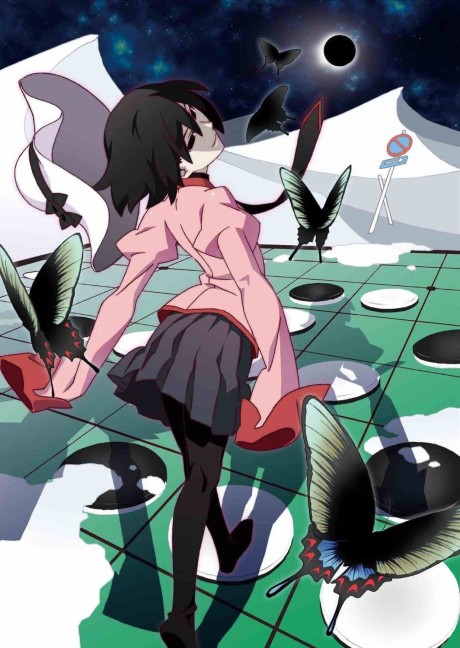
Our story plunges us back into the familiar yet ever-shifting world of Koyomi Araragi during his third year of high school, specifically in the month of October. Koyomi, by this point, is no stranger to the supernatural, having encountered countless apparitions, gods, and oddities. His life has been anything but ordinary, yet he believes he has a firm grasp on his reality. This illusion is spectacularly shattered with the introduction of a new transfer student, Ougi Oshino, brought to his attention by his underclassman, Suruga Kanbaru. Ougi is not just any student; she exudes an enigmatic aura, a knowing gaze that suggests she sees far more than she lets on, and her very presence signals a seismic shift in Koyomi’s world.
A Peculiar Map and an Unforeseen Revelation
Ougi Oshino approaches Koyomi with a request for consultation, a seemingly innocuous task that quickly spirals into something far more profound. Her method of investigation is unusual: she draws a map of Naoetsu High School. But this isn’t just a simple sketch; what she discovers on that map, a peculiar anomaly, becomes the catalyst for a chain of events that were, according to the narrative, “not meant to be told.” This singular discovery doesn’t just reveal a secret; it peels back layers of forgotten history, challenging Koyomi’s perception of his past, his present, and even his own identity. It’s a moment that fundamentally alters his understanding of his high school life, pushing him into an introspective journey he never anticipated.
Ougi Formula: The Genesis of a Deep Mystery
The first arc, Ougi Formula, immediately throws Koyomi into a labyrinthine mystery that is as much about the physical space of the school as it is about the psychological spaces within its inhabitants. This arc is a masterclass in suspense and deduction, as Ougi’s uncanny ability to pinpoint inconsistencies forces Koyomi to confront a hidden room, a secret that has been literally buried beneath the surface. It’s a compelling start, setting the tone for the intellectual challenges and unsettling revelations that define Owarimonogatari. The investigation here isn’t just about solving a puzzle; it’s about exposing the very fabric of memory and how truths can be concealed, even from oneself.
Sodachi Riddle and Sodachi Lost: Confronting the Past
Following the initial mystery, Owarimonogatari dives headfirst into its most emotionally charged and pivotal arcs: Sodachi Riddle and Sodachi Lost. These arcs introduce Sodachi Oikura, a girl from Koyomi’s past whose reappearance brings with it a storm of bitter resentment and unanswered questions. Sodachi’s history with Koyomi is fraught with tension, a shared past that both remember differently, or perhaps, deliberately forget. These stories are not just about a rivalry; they are a raw, unflinching examination of trauma, memory, and the profound impact of childhood experiences. As a Story Writer Specialist, I can tell you that the narrative here is incredibly rich, using unreliable narration and conflicting perspectives to create a truly immersive and thought-provoking experience.
What Makes Koyomi Araragi: The Ultimate Question
The Sodachi arcs are absolutely crucial because they directly address the central thematic question of Owarimonogatari: “what” makes Koyomi Araragi. Through his interactions with Sodachi, Koyomi is forced to confront uncomfortable truths about his own past actions, his biases, and the selective nature of his memory. This isn’t just about a character arc; it’s about Koyomi dissecting his own origins, understanding the experiences and decisions that sculpted him into the person he is today. It’s a journey of self-discovery that is both painful and enlightening, making these arcs some of the most deeply psychological and character-defining moments in the entire Monogatari Series.
Shinobu Mail: Echoes from the Past
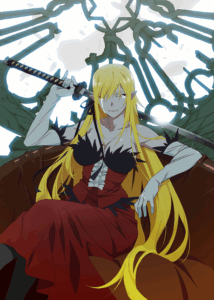
The final arc presented in Owarimonogatari is Shinobu Mail, a thrilling and unexpected detour into the past that further complicates Koyomi’s understanding of his world. This arc delves into the history of Kissshot Acerolaorion Heartunderblade, the legendary vampire who now exists as the young Shinobu Oshino, Koyomi’s inseparable companion. It’s a tale that brings to light the consequences of ancient battles and the enduring bonds of loyalty and sacrifice. Shinobu Mail adds another layer of depth to the Monogatari universe, showcasing the interconnectedness of events and characters across different timelines and reinforcing the idea that the past is never truly gone, always influencing the present in profound ways.
Monogatari’s Signature Style: A Visual and Auditory Feast
Beyond its intricate plot, Owarimonogatari, like all installments of the Monogatari Series, is a feast for the senses. Studio Shaft’s distinctive animation style is on full display, with its surreal backdrops, striking color palettes, and experimental cinematography. The rapid-fire dialogue, a hallmark of the series, is delivered with unparalleled precision by a phenomenal voice cast, making every conversation a captivating dance of words and ideas. The sound design, from the atmospheric music to the subtle environmental cues, draws you deeper into Koyomi’s world, creating an experience that is truly unforgettable and distinctly Monogatari.
The Beginning of Everything: A Philosophical Deep Dive
Owarimonogatari isn’t content with just revealing Koyomi’s past; it aims to unveil “the beginning of everything.” This is a profound philosophical statement, suggesting that the answers to Koyomi’s current predicaments lie in the very genesis of his existence and the foundational events of his life. It challenges viewers to consider how much of our present is dictated by our past, how our memories shape our reality, and whether true objectivity is even possible. This makes Owarimonogatari not just a compelling mystery, but a deeply psychological and intellectually stimulating narrative that will stay with you long after the credits roll.
Why Owarimonogatari is a Must-Watch
For existing fans, Owarimonogatari is absolutely essential. It provides crucial context and answers questions that have lingered throughout the series, finally bringing to light the origins of Koyomi’s character and many of the overarching themes. For newcomers who appreciate complex narratives, unique animation, and character-driven stories, Owarimonogatari offers a potent glimpse into what makes the Monogatari Series so revered. While it’s generally recommended to watch the series in its original broadcast order (starting with Bakemonogatari), Owarimonogatari stands out as a peak of storytelling, a truly rewarding experience for anyone willing to engage with its depth. Its emotional resonance and intellectual challenges make it a standout in the psychological anime genre.
The Extended Premiere: A Statement of Intent
It’s worth noting that the first episode of Owarimonogatari aired with an extended runtime of approximately 48 minutes, double the standard length. This wasn’t just a bonus; it was a deliberate statement of intent. It immediately signals the gravity and complexity of the story to come, allowing the Ougi Formula arc to unfold with the necessary pacing and depth. This extended premiere serves as a powerful introduction, immersing viewers completely in the unfolding mystery and setting a high bar for the captivating narrative that follows. It’s a testament to the creators’ commitment to delivering a truly comprehensive and immersive storytelling experience.
In conclusion, Owarimonogatari is more than just another season; it is a pivotal, game-changing installment that redefines everything you thought you knew about Koyomi Araragi and the Monogatari universe. It’s a thrilling blend of mystery, psychological drama, and character development, wrapped in Studio Shaft’s signature visual artistry. If you’re looking for an anime that challenges your mind, tugs at your heartstrings, and offers a profoundly impactful narrative, then Owarimonogatari is waiting for you. Dive in, and prepare to discover the very core of what makes this series a legend.
Anime Information
Genres
Studios
Shaft, Aniplex, Kodansha