Synopsis
Shin Seiki Evangelion: A Deep Dive into a Genre-Defining Masterpiece
Prepare yourself for a journey into the heart of one of anime’s most iconic and impactful creations. Shin Seiki Evangelion, often simply called Evangelion, isn’t just a mecha anime; it’s an experience, a psychological odyssey wrapped in the thrilling spectacle of giant robots battling monstrous invaders. For newcomers, this article will be your first glimpse into a world that will challenge your perceptions and stay with you long after the credits roll. For long-time devotees, let’s revisit the profound depths and enduring legacy of this absolute masterpiece. If you’re wondering whether to dive into this legendary series, the answer is a resounding yes, and here’s why.
The Unveiling of Humanity’s Last Stand
The year is 2015, a mere fifteen years after a cataclysmic event known as the Second Impact devastated Earth. Humanity is still reeling, but a new, even more terrifying threat emerges: the Angels. These aren’t just any aliens; they are colossal, enigmatic entities of immense power, each possessing unique and often horrifying abilities, seemingly intent on wiping out what remains of mankind. Their appearance in Tokyo-3, a futuristic fortified city, signals the beginning of humanity’s most desperate battle for survival. The sheer scale and mystery of these adversaries immediately establish a sense of overwhelming dread and urgency that permeates every episode.
NERV and the Evangelions: Humanity’s Desperate Gambit
Against this existential threat stands NERV, a special United Nations agency dedicated to confronting the Angels. Their ultimate weapon, and indeed humanity’s only hope, is the Evangelion. These are not mere machines; they are biomechanical humanoid fighting units, towering figures capable of matching the Angels’ destructive force. The concept itself is fascinating: a weapon that blurs the line between technology and biology, hinting at deeper, more unsettling truths. The Evangelions are humanity’s last, best chance, but their very existence raises as many questions as it answers.
The Burden of Pilotage: Teenagers in the Cockpit
Here lies the most poignant and truly heartbreaking aspect of NERV’s strategy: only a select few individuals can pilot the Evangelions. These aren’t hardened soldiers or seasoned veterans; they are teenagers, all born fourteen years prior, precisely nine months after the First Angel’s appearance. This crucial detail isn’t just a plot convenience; it’s a linchpin for the series’ profound emotional and psychological exploration. Imagine the weight of the world resting on the shoulders of adolescents, forced to confront horrors beyond adult comprehension. It’s a premise that immediately pulls at the heartstrings and sets the stage for deeply personal struggles amidst cosmic battles.
Shinji Ikari: A Reluctant Hero’s Journey
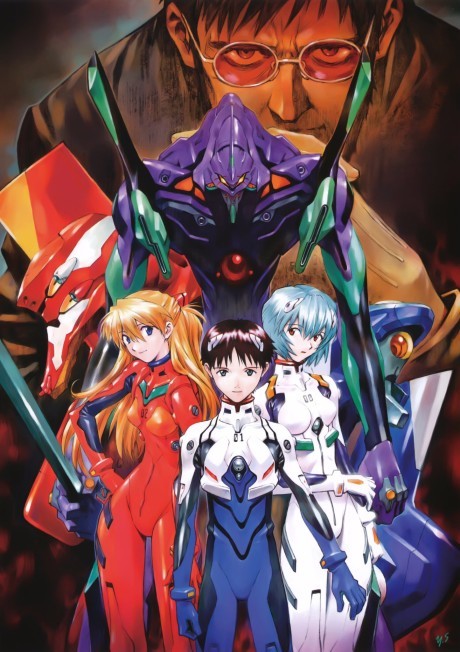
At the very heart of this struggle is Shinji Ikari, a quiet, introspective boy whose life is irrevocably altered when he is summoned to Tokyo-3 by his estranged father, Gendo Ikari, the enigmatic head of NERV. Thrust into the cockpit of Evangelion Unit-01, Shinji is forced to confront the Angels, a responsibility he neither sought nor desires. His journey is one of immense internal conflict, marked by fear, self-doubt, and a desperate yearning for acceptance. Shinji is not your typical anime hero; he is fragile, relatable, and his struggles with courage, identity, and the overwhelming burden placed upon him form the emotional core of the entire series. His internal monologues and reactions to the horrors he faces are incredibly raw and authentic, making him one of the most memorable protagonists in anime history.
The Enigmatic Rei Ayanami
Shinji isn’t alone in this fight. He is joined by other pilots, each with their own complex personalities and histories. One such pilot is the enigmatic Rei Ayanami, pilot of Evangelion Unit-00. Quiet, almost ethereal, and intensely private, Rei is a figure shrouded in mystery. Her stoic demeanor and unusual connection to Gendo Ikari make her a compelling and often unsettling presence. Her interactions with Shinji slowly chip away at her emotional barriers, revealing glimpses of a deeper humanity hidden beneath her calm exterior, adding another layer of intrigue to the narrative.
The Fiery Asuka Langley Soryu
Then there’s Asuka Langley Soryu, the fiery, proud, and highly skilled pilot of Evangelion Unit-02. Asuka embodies a stark contrast to Shinji’s introversion and Rei’s quietude. She is outwardly confident, aggressive, and fiercely competitive, always striving to be the best. However, beneath her vibrant exterior lies a profound vulnerability and a desperate need for recognition and validation. The dynamic between Shinji, Rei, and Asuka creates a captivating emotional triangle, fueling both camaraderie and intense rivalry, highlighting the different ways these young people cope with unimaginable stress.
Beyond the Battlefield: A Psychological Odyssey
What truly elevates Evangelion beyond a mere mecha action series is its unwavering commitment to psychological depth. While the battles against the Angels are visually spectacular and strategically thrilling, the real war is often fought within the minds of its characters. The anime delves fearlessly into themes of depression, anxiety, isolation, and the very nature of human connection. It explores the emotional toll of carrying the fate of the world on one’s shoulders, dissecting the trauma and psychological scars left by each terrifying encounter. This psychological realism is what makes the series so incredibly powerful and enduring.
Themes That Resonate
Evangelion is a tapestry woven with profound philosophical and psychological themes. It relentlessly explores the meaning of identity, the struggle for self-worth, and the universal human desire for connection balanced against the fear of intimacy and pain. The series asks difficult questions about existence, fate, and free will, often without providing easy answers. It’s an exploration of what it means to be human in the face of overwhelming adversity, making it a truly thought-provoking experience that resonates deeply with audiences.
Parental Bonds and Brokenness
A particularly poignant theme woven throughout Evangelion is the exploration of parental relationships, or often, the severe lack thereof. Shinji’s fraught relationship with his father, Gendo, is a central pillar of the narrative, revealing layers of abandonment, manipulation, and a desperate, unspoken longing for connection. This dynamic extends to other characters, illuminating how absent or broken parental figures shape the emotional landscape of these young pilots, contributing significantly to their internal struggles and making them incredibly complex and relatable.
The Enduring Legacy of Evangelion
Evangelion’s impact on anime and popular culture cannot be overstated. It revolutionized the mecha genre by injecting it with unprecedented psychological complexity and deconstructed traditional heroic narratives. Its distinctive art style, iconic character designs, and groundbreaking use of symbolism and abstract imagery set new standards for storytelling. It inspired countless creators and continues to be referenced, analyzed, and celebrated decades after its initial release, cementing its status as an absolute landmark in animation history.
Navigating the Endings: A Journey of Interpretation
A crucial part of Evangelion’s legend involves its various endings, which have sparked endless discussions and interpretations among fans. The original television broadcast concluded with two highly abstract and psychologically focused episodes that left many viewers bewildered but deeply affected. This bold narrative choice perfectly encapsulates the series’ willingness to challenge audience expectations and delve into the subjective experience of its characters. This initial conclusion was a groundbreaking, if controversial, artistic statement.
Director’s Cut: Enhancing the Experience
For those looking to fully immerse themselves, it’s important to note that later releases include edited versions of Episodes 21-24, known as the “Director’s Cut.” These versions feature some visual editing and add extra scenes that originally appeared in the theatrical recap film ‘Death’. These additions provide further context and deepen the understanding of certain character motivations and plot points, enriching the overall viewing experience and offering even more layers to unpack for both new and returning viewers.
Why Evangelion is a Must-Watch Anime
If you’re seeking an anime that goes beyond surface-level entertainment, one that will challenge you, move you, and spark endless contemplation, then Shin Seiki Evangelion is an absolute essential. It’s a series that demands your attention, rewards your patience, and leaves an indelible mark on your psyche. Its fusion of thrilling action, profound psychological drama, and philosophical inquiry creates a unique and unforgettable viewing experience. It’s not just a story; it’s an exploration of the human condition, a testament to the power of animation as an art form.
A Call to Experience the Icon
So, are you ready to face the Angels? Are you prepared to delve into the minds of its struggling pilots? Shin Seiki Evangelion is more than just an anime to watch; it’s an anime to experience, to feel, and to truly ponder. Join the legions of fans who have been captivated by its brilliance and discover why this series remains an undisputed titan in the world of animation. Your journey into one of the most influential and unforgettable stories ever told awaits.
Anime Information
Genres
Studios
Gainax, TV Tokyo, ADV Films, Kadokawa Shoten, NAS, Tatsunoko Production, GKIDS, Madman Entertainment

Next Post
BLEACH (Bleach)
Characters