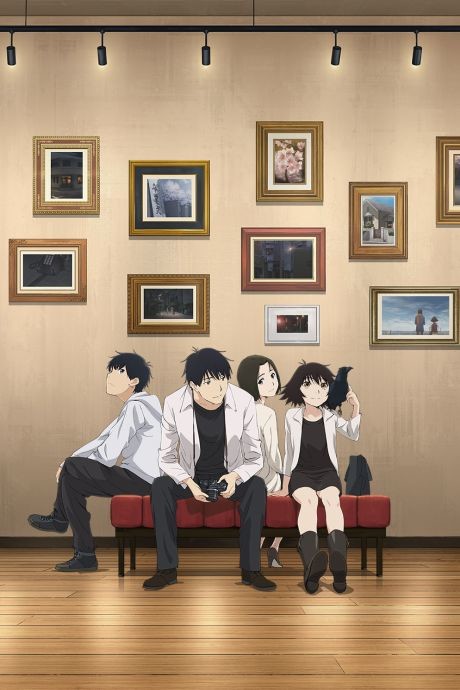
Yesterday wo Utatte: A Poignant Journey Through Love, Life, and Lingering Echoes
Have you ever found yourself at a crossroads, caught between the comfort of the past and the daunting uncertainty of the future? Do you yearn for stories that delve deep into the human heart, exploring the messy, beautiful, and often contradictory tapestry of our emotions? If so, prepare to discover an anime that speaks directly to that universal experience: Yesterday wo Utatte, also known as Sing “Yesterday” for Me. This isn’t just another romance; it’s a profound exploration of what it means to truly live, love, and find your footing in a world that rarely offers easy answers. Get ready to be captivated by a narrative that feels as real and relatable as your own memories.
The Premise: Navigating Life’s Intricate Labyrinth
At its core, Yesterday wo Utatte unfolds as a deeply human drama, a slice-of-life narrative that masterfully captures the delicate dance between aspiration and reality. The story invites us into the lives of four young individuals, each grappling with their own unique set of challenges, desires, and heartaches. Set against the backdrop of a charming, unassuming town nestled just beyond the bustling lights of Shinjuku, this anime paints a vivid picture of post-college life, where the grand dreams of youth often collide with the harsh realities of adulthood.
What truly sets this series apart is its unflinching honesty. It doesn’t shy away from depicting the quiet desperation, the unspoken longings, and the intricate web of relationships that define our journey. We witness our protagonists striving to forge their best lives, even as they navigate a landscape riddled with personal hardship and turmoil. The narrative beautifully articulates how seemingly minor misunderstandings can snowball into big complications, weaving a tapestry of entangled feelings that resonates deeply with anyone who has ever wrestled with the complexities of the heart.
Meet the Main Characters: Relatability Personified
While we won’t reveal any specific names to keep the experience absolutely spoiler-free, suffice it to say that the characters of Yesterday wo Utatte are its beating heart. You’ll encounter a young man who, despite his quiet demeanor, is wrestling with his future, his past choices, and the path he feels he *should* be taking versus the one he truly desires. His internal monologues and hesitant actions are incredibly relatable, embodying the universal struggle of finding purpose and direction after the structured safety of school life.
Then there’s the enigmatic young woman who enters his life, bringing with her a captivating blend of independence and vulnerability. Her presence acts as a catalyst, subtly challenging the protagonist’s preconceived notions and pushing him towards introspection. Alongside them, we meet other vibrant personalities, each with their own complex emotional baggage and unrequited affections. Their interactions are never simple; they are fraught with unspoken desires, lingering regrets, and the kind of authentic emotional messiness that makes you feel like you’re watching real people unfold before your eyes. Their collective journey explores the nuanced spectrum of human connection, from the tentative beginnings of friendship to the profound depths of love and heartbreak.
The World and Its Atmosphere: A Haven of Reflection
The setting of Yesterday wo Utatte is far more than just a backdrop; it’s a character in itself. Picture a quaint, unassuming town, perfectly situated on a private rail line, offering a gentle buffer from the overwhelming energy of Tokyo’s Shinjuku district. This unique location creates an atmosphere of quiet contemplation and transition. It’s a place where the echoes of urban ambition are still within reach, yet the slower pace allows for introspection, for characters to breathe and process their intricate emotions.
The visual storytelling perfectly captures this serene yet melancholic ambiance. From the soft glow of streetlights reflecting on rain-slicked pavements to the hushed beauty of everyday scenes, the aesthetic complements the narrative’s introspective tone. This environment fosters a sense of intimacy, inviting viewers to immerse themselves completely in the characters’ lives, feeling the weight of their decisions and the subtle shifts in their emotional landscapes. It’s a world that feels both familiar and deeply personal, making every moment of their struggle and growth feel incredibly authentic.
Themes to Explore: Looking Back, Moving Forward
The synopsis offers a profound insight into the core philosophical underpinning of Yesterday wo Utatte: “A story of daily life lived 49% looking back, 51% looking forward.” This isn’t just a catchy phrase; it’s the very essence of the anime. It beautifully captures the human tendency to dwell on past decisions, missed opportunities, and the “what-ifs,” even as we strive to push onward into an uncertain future. The series masterfully explores how our past experiences shape who we are and influence every choice we make in the present.
Beyond this central dichotomy, the anime delves into a rich tapestry of themes. You’ll witness the complexities of unrequited love, the pain of letting go, the courage it takes to pursue a dream, and the quiet strength found in everyday resilience. It explores the idea that sometimes, the “right” path isn’t clear, and growth often comes from navigating the uncomfortable truths of our own hearts. Each character’s journey is a testament to the messy, yet ultimately hopeful, process of finding your own definition of happiness and purpose.
Why You Should Watch This Anime: An Emotional Masterpiece
If you’re searching for an anime that prioritizes emotional depth and character development over flashy action or fantastical escapism, then Yesterday wo Utatte is an absolute must-watch. This series excels in its nuanced portrayal of human relationships, presenting a narrative that is both incredibly grounded and profoundly moving. It’s the kind of story that lingers with you long after the credits roll, prompting introspection about your own life choices and emotional journey.
The animation style, while subtle, is incredibly effective, using gentle colors and realistic character designs to enhance the story’s intimate feel. The soundtrack is another standout, perfectly complementing the melancholic yet hopeful tone of the series, drawing you deeper into the characters’ inner worlds. It’s an anime that understands the power of the unspoken, the weight of a glance, and the profound impact of a simple conversation.
This is an anime for anyone who appreciates a story that respects its audience’s intelligence and emotional maturity. It offers a refreshing departure from typical romantic dramas, providing a more realistic and thought-provoking look at love, friendship, and the often-painful process of growing up and moving on. Prepare to connect with characters who feel like old friends, whose struggles mirror your own, and whose eventual triumphs feel genuinely earned.
A Poignant Recommendation for the Soul
In conclusion, Yesterday wo Utatte is far more than just an anime; it’s an experience. It’s a beautifully crafted narrative that invites you to reflect on your own journey, to empathize with characters who are undeniably human, and to find beauty in the everyday struggles of life. If you’re ready for a story that will tug at your heartstrings, provoke thought, and leave you with a sense of profound understanding, then do yourself a favor: immerse yourself in the world of Yesterday wo Utatte. It’s a poignant, unforgettable journey that truly sings a song for all our yesterdays and our hopeful tomorrows.
Anime Information
Genres
Studios
Doga Kobo, DMM.futureworks, Sotsu, Happinet, TV Asahi, Delfi Sound